


What is Dyslexia?
Dyslexia is a learning difference that mainly affects reading, writing, spelling, and language processing. It is not related to intelligence. People with dyslexia often have normal or above-average IQ but learn in a different way.
More on Dyslexia
Dyslexia is a lifelong condition, but with early identification and proper support, individuals can manage it successfully and often excel in creativity and problem-solving.
What is NOT Dyslexia
- Laziness or lack of effort
- Low intelligence
- Vision or hearing problems
- Poor teaching or parenting
Causes of Dyslexia
- Genetic factors
- Differences in brain structure
- Language processing variations
Science of Dyslexia
Research shows dyslexic brains use different neural pathways, affecting how sounds, letters, and words connect during reading.
Identification & Primary Difficulties
- Reading accuracy & fluency
- Spelling and writing
- Memory and sequencing
- Phonological awareness
How to Tell Your Child
Use positive language, highlight strengths, explain learning differences, and avoid comparisons.
How Teachers Can Help
- Extra time & flexible evaluation
- Visual & audio methods
- Step-by-step instructions
Myths About Dyslexia
Dyslexia does not limit success, does not disappear with age, and affects both children and adults.
Consequences
Without support, dyslexia may lead to low confidence, anxiety, poor academic performance, and loss of motivation.
Famous Dyslexics
 Albert Einstein
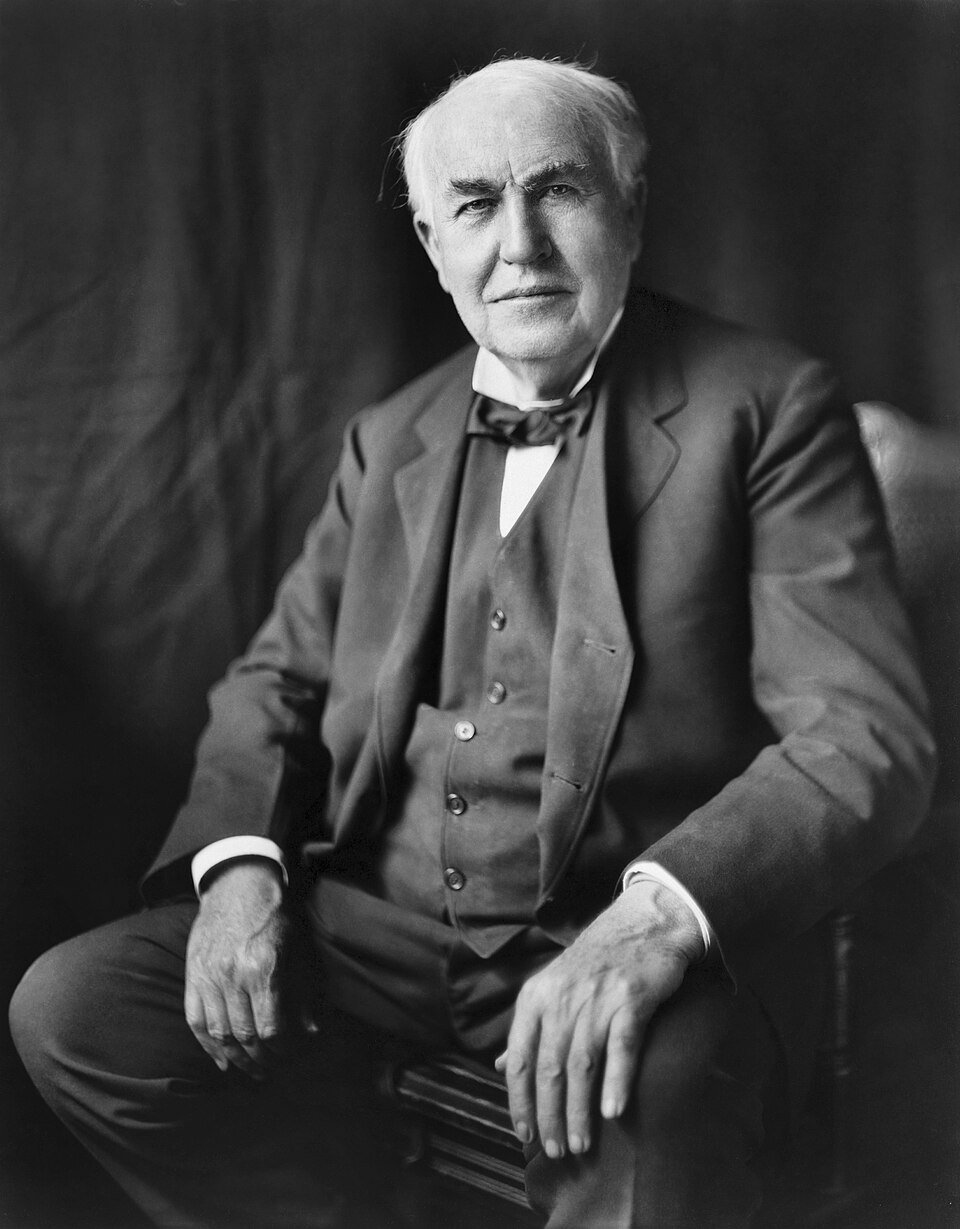 Thomas Edison
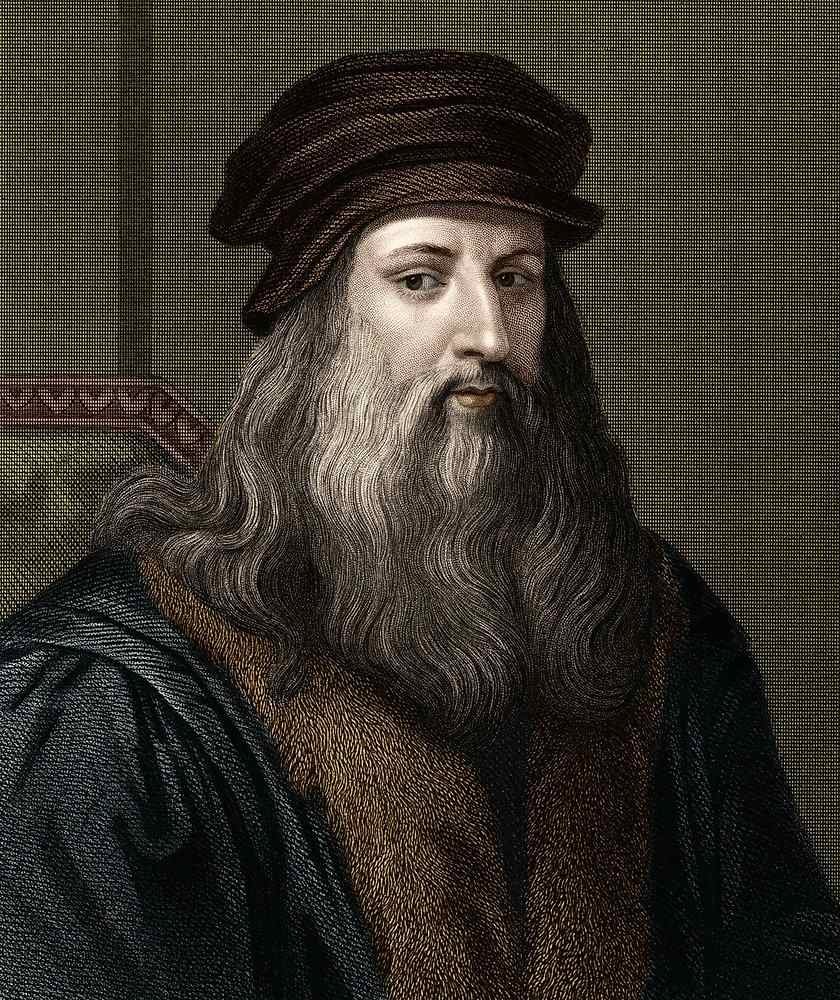 Leonardo da Vinci
 Walt Disney
Adult Dyslexia & Support Tools
Adults may face challenges in reading and writing, but with assistive technology, awareness, and professional support, they can thrive confidently.
Give Your Child the Right Support
Early guidance and the right learning environment can help children with dyslexia unlock their true potential. Start your child’s learning journey with us today.
Admission Now